Community and ecosystem responses to climate change and increasing recreational traffic in the Nch’kay region (Garibaldi Provincial Park)
Chelsea Little, Nina Hewitt, Courtney Collins, Noémie Boulanger-Lapointe
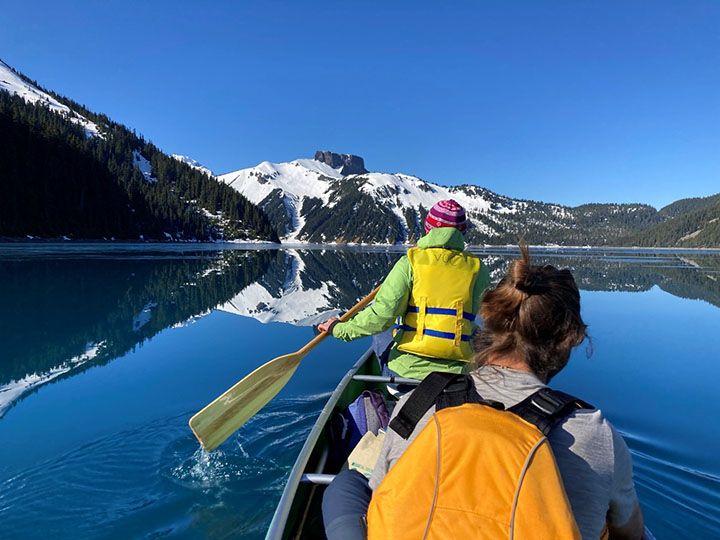
The mountains surrounding Vancouver are part of what makes it such a great place to live and visit, and Provincial Parks are a key resource for accessing alpine and subalpine landscapes. But what effect do all these recreational visitors have on mountain ecosystems, like in the popular Garibaldi Provincial Park? Researchers spent the last three summers researching the combined effects of recreation and climate change on the plants and animals of the Park. By installing passive chambers that warm the ground by about 3 degrees Celsius, they got a snapshot of what vegetation communities of the future might look like – and they found that in meadows with enough soil moisture, warmer temperature are likely to make plants taller. They also found that many plant and moss species are negatively affected by trampling, so keep this in mind when you stray from the path in delicate ecosystems.
Waterfall Sprayzones in Wells Gray Provincial Park: Biodiversity Hotspots and Potential Refugia in a Changing Climate
Darwyn Coxson, Curtis Björk, Trevor Goward
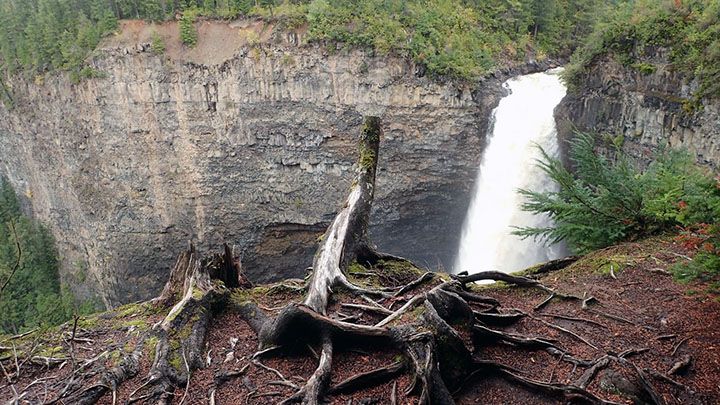
Wells Gray Provincial Park is sometimes referred to as “the waterfall park”. One of the major draws for tourism to the park are its waterfalls, most notably Helmcken, Dawson, Moul, and Triple Decker Falls, which are visited by tens of thousands annually. But Wells Gray’s waterfalls have considerable significance beyond tourism. This research looks at the importance of these waterfall sprayzones as biodiversity hotspots within Wells Gray Park and their potential importance as future vegetational refugia against climate change. Researchers have also examined the potential impact of off-trail access by visitors to waterfalls. Notably, they found that floristic richness (diversity of vascular plants, lichens, and bryophytes) within sprayzones was significantly higher than outside sprayzones, with 994 species versus 624 species respectively. Damage to vegetation from trampling by visitors was apparent at several sites, for instance, on the south rim of Helmcken Falls, an area that has not been developed for tourist visitation, but one with widespread vegetation loss.
State, fate and downstream impacts of glaciers in the Joffre Group & Spearhead–Fitzsimmons Ranges, southern Coast Mountains, British Columbia
Gwenn Flowers, Chloé Monty, Jeff Crompton, Brian Menounos
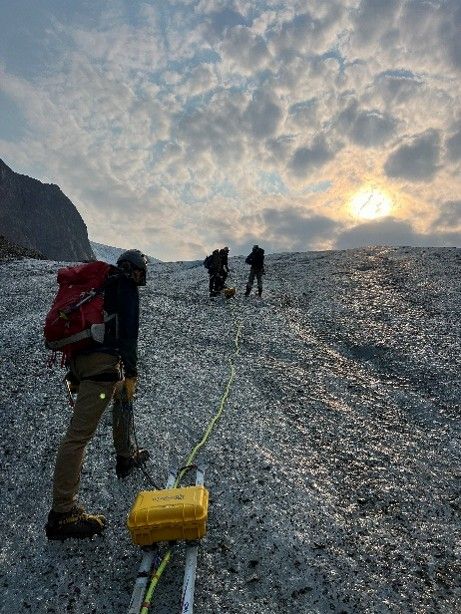
This multi-year research project targets some of the most well-loved and well-travelled glaciers in the Whistler–Pemberton region in order to assess their current state of health and make projections of how and how fast they are expected to change in the future. These changing glaciers are agents of landscape evolution, important contributors to runoff, which affects downstream ecosystems and infrastructure, potential sources of hazards such as glacier lake outburst floods, and popular destinations for summer and winter recreation.
The first phase of this project focuses on determining the recent glacier mass change, arising from the imbalance between winter snowfall and summer melt, in the Spearhead & Fitzsimmons Ranges. Glacier mass loss in this region has led to the formation of numerous lakes that have emerged from beneath retreating glaciers; the second phase of the project will document the evolution of these lakes and study their interactions with the retreating glaciers. The final phase of the project will use computer models to study the modern form and flow of glaciers Whistler–Pemberton region and then project their future evolution under anticipated future climates.
Plant-insect networks in Stone Mountain Provincial Park
Jasmine Janes
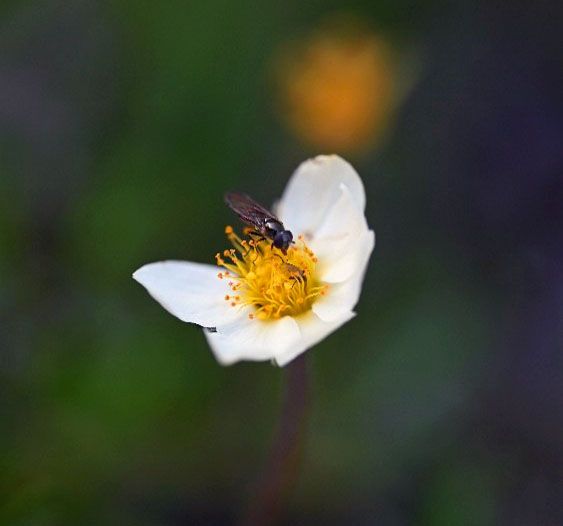
You may not like all the flying bugs and creepy crawlies, but they are an essential part of any healthy ecosystem that help pollinate plants and reduce other pests. Many insect groups rely on plants for food and shelter, and while we know a lot of different insects and plants, we often don’t know which plants are important to which insects. Researchers looked at all the different flowering plants, and the insects that were with them, to get a better sense of what insects rely on what plants. 87 different flower-insect associations were identified in just one week! This information will help manage parks and vegetation in a way that supports these important relationships with insects.
Post-fire whudzih (Rangifer tarandus caribou, woodland caribou) habitat recovery in Ulkatcho
Jill Harvey, Olivier Jumea
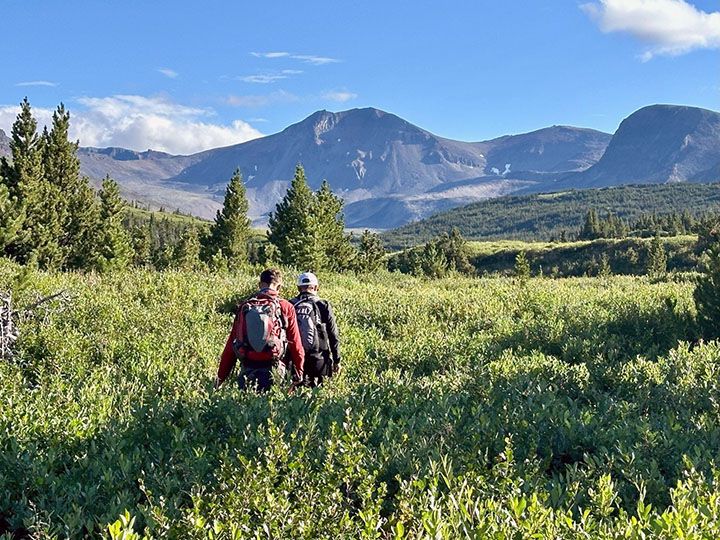
The people of Ulkatcho have lived alongside whudzih (Rangifer tarandus caribou, woodland caribou) since creation. Elders recall hunting whudzih in large numbers and sharing the meat across the community. Today however all four herds in Ulkatcho are in long term decline and are listed as Threatened under COSEWIC. Between 2000 and 2023, 32% of caribou habitat in Ulkatcho burned, compared to just 6.5% in the 70 years prior. Working side-by-side with Ulkatcho First Nation, this research investigates how long it takes after a wildfire for caribou habitat to recover in Ulkatcho.
Drivers and dynamics of wildfires and encroachment in Churn Creek Protected Area
Jill Harvey, Andrea Robinson
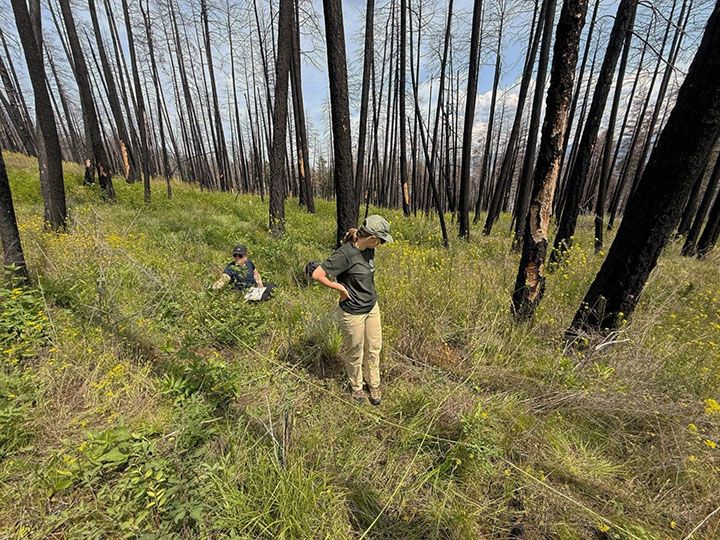
In summer 2025, field research activities focused on remeasuring vegetation regeneration following the 2021 wildfire. Prior to 2021, this area had not burned for over 100 years, and the pre-fire forests were dense and heavy with fuel. The 2021 wildfire burned intensely and together with the SXFN, researchers wondered how the vegetation would recover following such a severe wildfire. In 2023, researchers assessed burn severity at 30 plots and collected the first set of vegetation information, and then in 2025 they returned to remeasure vegetation at these same plots. At each plot, researchers identified all the plant species present and then estimated the area covered by each species in a defined area (plot). Researchers will revisit each of these plots every 2-3 years until 2045 to monitor post fire recovery.
Long-term monitoring studies are crucial to understanding how more frequent and intense wildfires are impacting forest recovery. Preliminary findings are encouraging. Following a flush of plant species identified in 2023 that favour disturbance and fire activity (e.g., prickly lettuce, fire moss, fire weed), in 2025 researchers identified an increasing diversity of plant and grass species and few invasives.
Assessing impacts of boat traffic and disturbance on eelgrass meadow health and biodiversity in Desolation Sound
Mary O’Connor, Calla Raymond, Miranda MacGillivray, Maggie Slein, Carling Gerlinksy, Corma Toler-Scott, Raisa Ramdeen, Nicole Knight
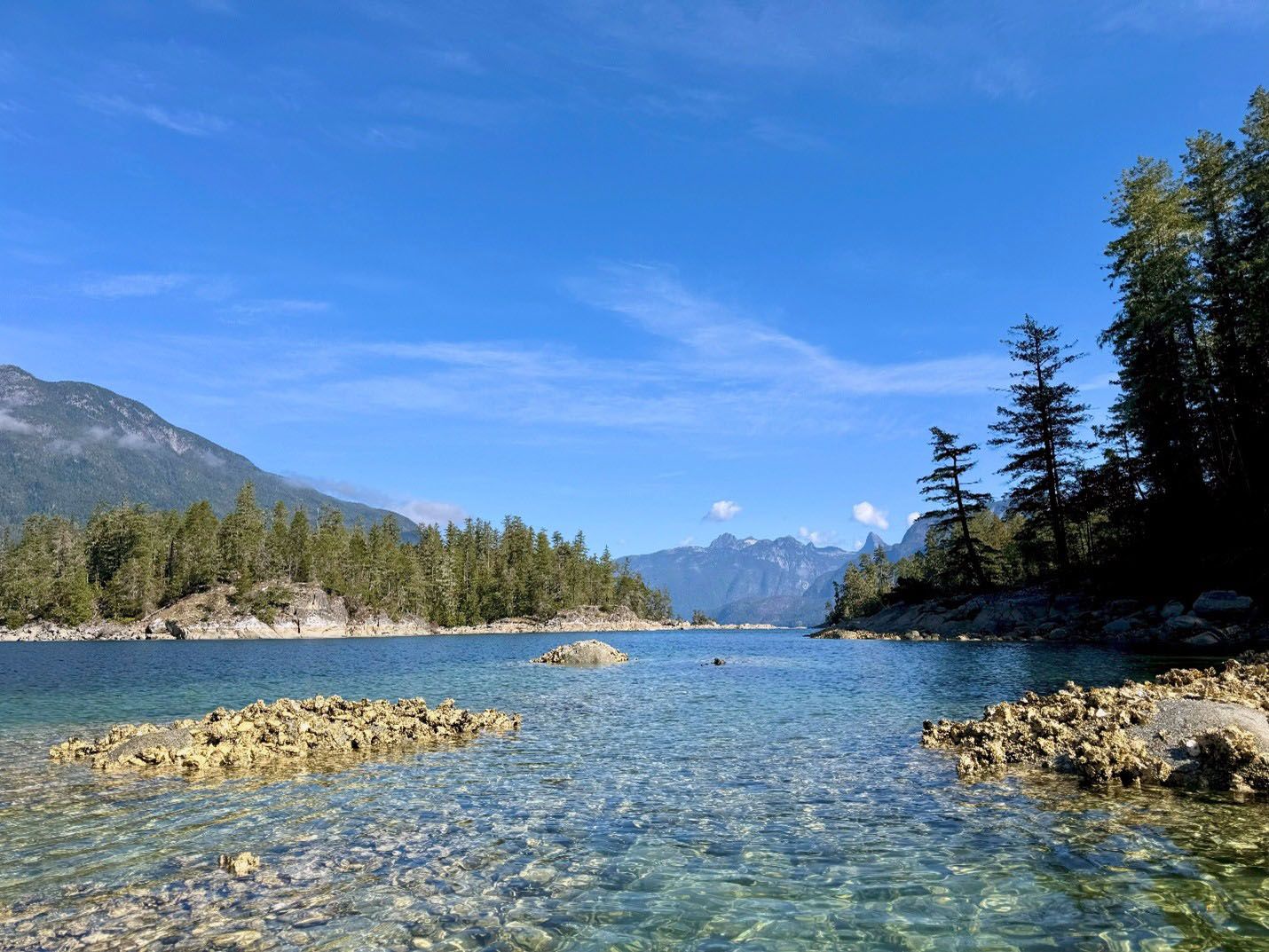
Eelgrass meadows function like underwater forests that shelter invertebrates (tiny animals), and small fish. They also provide many ecosystem services, such as water filtration, sediment and shoreline stabilization, and carbon sequestration, making the whole ocean around them healthier. This research shows that in areas where boats frequently anchor, eelgrass meadows get thinner and shorter, supporting fewer fish and less diverse communities of invertebrates. By understanding exactly how boat traffic changes these underwater habitats, researchers can recommend smarter anchoring practices that help protect eelgrass ecosystems. Protecting these underwater meadows isn’t just good for fish; it keeps our coastlines protected and seafood plentiful, so future generations can keep enjoying the beauty and bounty of Desolation Sound.
Examining the response of mountain goats to wildfire during the 2023 Crater Creek wildfire in Cathedral Provincial Park, BC
Michael Noonan, Aimee Chhen

Wildfires are getting bigger, more severe, and are happening more often because of climate change. When we get a wildfire evacuation order, we pack our bags quickly and move out of the area to somewhere safe. But what about wildlife, what do they do? Researchers found that mountain goats are significantly affected by wildfire. Fortunately, none of them died from the fire, however, they were moving a lot more, in the same size space in the same area during the fire which could have serious implications for conservation efforts as wildfire frequency increases.
Coastal Plant Phenology Research and Monitoring Project
Pam Shaw, Jessica Pyett, Kyla Seward
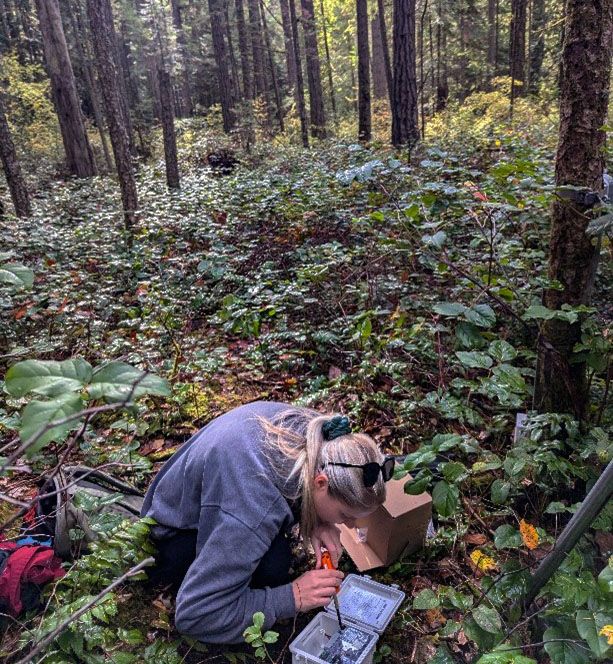
Researchers are studying how the timing and expression of events in a plants life cycle are changing as we experience changes in our climate. Using special cameras and small climate stations, researchers are able to capture images of salal, red huckleberry and western hemlock to see when and how they are expressing different life phases such as bud break or flowering. The goal is to then compare this data alongside microclimate data to see what triggers the timing of these events or drives the intensity of these events. Once we know how plants are changing with the climate, we can make better decisions for our forests and predict how other things that rely on these plants may be impacted, such as wildlife.